
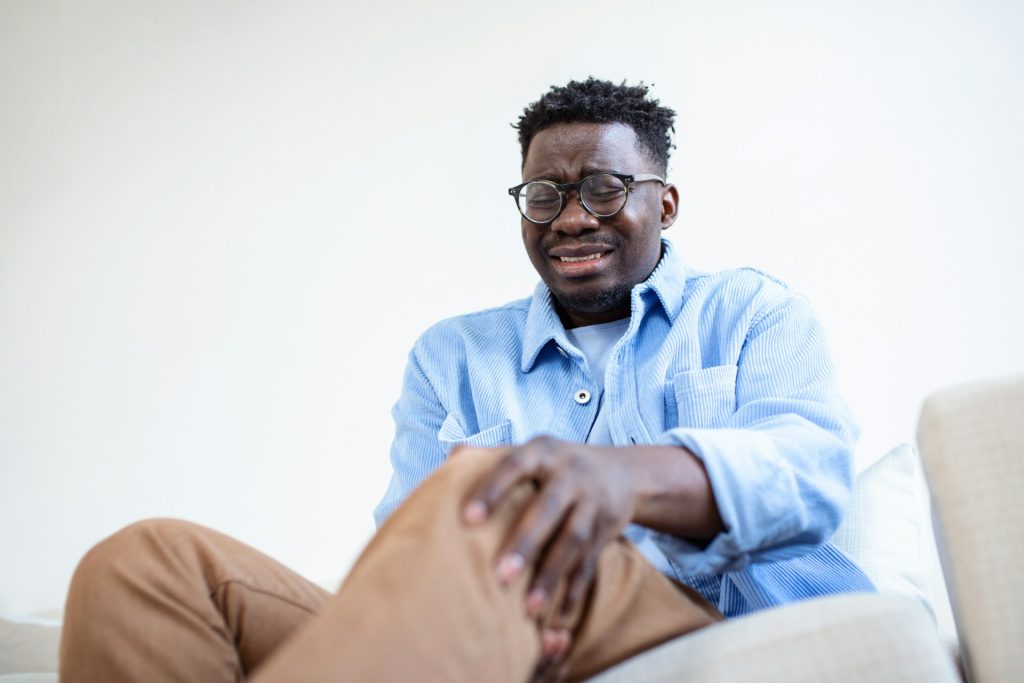
Find Lasting Relief From Joint Pain This Spring
Joint pain has a way of stealing the joy from simple things. A walk along the Fox River, gardening in the yard, or swinging a golf club can start to feel like work instead of fun. When your knees, hips, shoulders, or elbows hurt, even cheering at kids’ sports can be uncomfortable.
Many people in Geneva live with this kind of pain for a long time. They try rest, ice, pain pills, and maybe a few cortisone shots. The pain might calm down for a bit, then come right back. Platelet-rich plasma, often called PRP injection therapy, is one option that focuses on supporting your body’s own repair process instead of only covering up symptoms.
At Genesis Integrative Medicine, we blend advanced medical treatments with chiropractic and holistic care to help people move with more comfort and confidence. Understanding how PRP works can help you decide if it might be a better fit for your joints than relying only on repeated medications, steroid injections, or surgery.
What PRP Injection Therapy Is and How It Works
PRP injection therapy is a treatment that uses a small sample of your own blood to support healing in painful joints. Your blood is made of red cells, white cells, plasma, and platelets. Platelets are tiny cell fragments that play a big role in clotting and repair.
Here is the basic idea in simple terms:
- A small amount of blood is drawn from your arm
- That blood is spun in a special machine called a centrifuge
- Spinning separates the platelets from other parts of the blood
- The platelet-rich part is drawn up into a syringe
- That concentrated PRP is then injected into your painful joint
Platelets carry growth factors and other natural proteins that are active in the body’s healing process. When PRP is placed into an area with joint damage or irritation, the goal is to support tissue repair, calm inflammation, and improve function over time.
In a clinic like ours, a PRP visit usually follows this pattern:
- Consultation and exam to decide if PRP is a reasonable choice
- Review of any imaging, like X-rays or MRIs, if you already have them
- Simple blood draw from your arm
- Spinning and preparing the PRP in the office
- Careful injection into the target joint, often guided by imaging
PRP is different from standard pain shots. Cortisone injections are mainly focused on short-term pain and inflammation control. Numbing medicines only block pain signals for a short while. PRP is designed to support natural repair by using your own blood, which may lower the chance of certain types of reactions from outside drugs.
Why People in Geneva Are Turning to PRP for Joint Pain
Interest in PRP injection therapy in Geneva, IL has grown among people who want to stay active with less discomfort. We see:
- Active adults who enjoy walking, biking, or playing golf
- Weekend athletes who deal with sore knees, hips, or shoulders
- Older adults who want to keep up with kids and grandkids
PRP may be used in joint and soft tissue problems such as:
- Mild to moderate osteoarthritis in knees or hips
- Tendon problems like tennis or golfer’s elbow
- Shoulder issues related to tendons and soft tissue
- Chronic ligament strains or sprains
- Sports-related joint pain that has not improved with rest alone
Some of the reasons people look at PRP include:
- They want an option that focuses on tissue health, not just pain cover-up
- They like that PRP uses their own platelets instead of synthetic drugs
- They hope for longer-lasting relief than they get from quick pain shots
- They want a treatment that usually lets them return to daily life fairly quickly
It is important to keep expectations realistic. PRP is not a quick fix or a magic cure. Improvements tend to build slowly over weeks to months as the tissue responds. Some people notice changes in stages, like less stiffness first, then better range of motion, then more ease with daily tasks. Others might need a series of injections, spread out over time, to get the best result for their specific joint.
What to Expect During PRP Treatment and Recovery
On a first visit at our Geneva clinic, the focus is on understanding you as a whole person, not just your joint. We usually:
- Talk through your health history and current symptoms
- Review any past treatments and how they worked for you
- Look at imaging, if you have it, or decide if new imaging is needed
- Perform a physical exam to check joint motion and strength
- Discuss whether PRP injection therapy fits your goals and health status
If PRP is part of your plan, a treatment day is typically straightforward. You arrive at the clinic, and we begin with a quick health check and prep. A small amount of blood is drawn from your arm, then processed in the centrifuge. While the PRP is prepared, the injection site is cleaned and numbed to increase comfort. The actual injection usually takes only a few minutes, and the whole visit often takes under an hour for most joints.
After treatment, it is normal to have:
- Mild soreness or aching in the joint
- A feeling of fullness or stiffness for a few days
- Temporary limits on heavy activity or high-impact exercise
Simple steps like resting the joint, using ice as directed, and following the specific movement guidelines you receive can help you through this phase. Most people can walk out of the office on their own and often can drive themselves home, depending on which joint was treated and the plan made with the provider.
Many patients can go back to light daily tasks and office work within a short time. Higher-impact exercise or heavy lifting is usually delayed for a bit, then added back in stages. Follow-up visits help us track your progress and adjust your care plan. At Genesis Integrative Medicine, PRP can be paired with chiropractic care, joint-friendly rehab exercises, or weight management support so that the healing environment around the joint is as strong as possible.
Comparing PRP to Other Joint Pain Treatments
PRP is one option in a larger toolbox for joint pain. It has a different goal and process compared to common treatments like pills, steroid shots, or surgery.
Here is a simple comparison:
- NSAID pain pills: Aim mainly at short-term pain and swelling, can irritate the stomach or affect other parts of the body when used a lot
- Cortisone injections: Often give quick relief, but the effect can fade, and repeated use in the same area is not always advised
- Surgery: Can be helpful for certain severe problems, but involves more risk, more time off your feet, and a longer recovery
- PRP: Focused on supporting the body’s own repair processes in the joint using your own blood
At our clinic, PRP often fits into a broader integrative plan. Chiropractic care can support better joint alignment and movement patterns. Therapeutic exercises can build strength and support around the joint. Medically supervised weight loss, when appropriate, can lower stress on weight-bearing joints like hips, knees, and ankles.
As with any medical procedure, safety is important. Because PRP is made from your own blood, concerns about certain allergic reactions are lower compared to some synthetic substances. Still, we follow careful steps for screening, sterile technique, and monitoring during and after the injection.
PRP may not be right for everyone. People with certain blood disorders, active infections, or severe uncontrolled medical problems might not be good candidates. That is why a thorough medical evaluation at a trusted clinic in Geneva is an important first step before starting PRP.
Is PRP Injection Therapy Right for You This Season?
If you are considering PRP injection therapy in Geneva, IL, it can help to think about a few simple questions. How much does your joint pain limit the activities you care about? Have common treatments like rest, basic medication, or a shot or two stopped working as well as they used to? What are your goals for movement and comfort as the weather stays mild and you spend more time outside?
You might find it helpful to keep a short pain diary for a couple of weeks. Note when the pain feels worst, what triggers it, and what eases it. Bring any past imaging or test results to your visit and write down questions about things like how many sessions you might need and how PRP would fit with other care you may be getting.
At Genesis Integrative Medicine, we design plans to match each person’s situation. That may include PRP injections combined with chiropractic care to improve joint motion, guided rehab exercises to build strength, or medically supervised weight loss to reduce strain on your joints over time. Our goal is to support you in moving with more ease so you can enjoy the parts of life in and around Geneva that matter most to you.
Start Your Joint Healing Journey Today
If pain or limited mobility is holding you back, we are here at Genesis Integrative Medicine to help you move forward with confidence. Our team will walk you through what to expect from PRP injection therapy in Geneva, IL and determine whether it is the right fit for your goals. To schedule a consultation or ask questions, simply contact us and we will follow up promptly.