
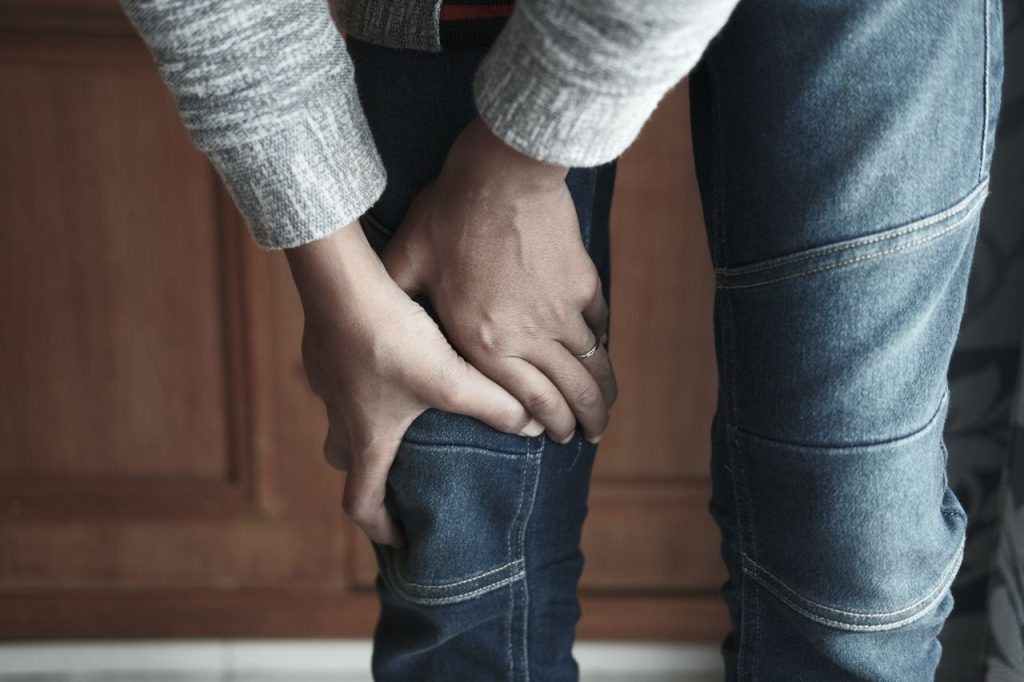
Simple Daily Choices That Can Fuel Knee Pain
Knee pain often sneaks up on people. It is not always one big injury. Many times it is the small things we do all day that slowly wear our knees down. How we sit, stand, walk, and even what we put on our feet can quietly strain the joint until it finally starts to ache.
In Geneva, daily life can be tough on the knees without anyone noticing why. Commuting in traffic, walking around downtown, standing at work, working in the yard, or enjoying time along the river can all add stress, especially when we already have a knee problem. When those habits are off, the joint has to work harder every single step.
At our clinic, we look at the whole person, not just the painful spot. We focus on non-surgical, root-cause care. Part of that involves spotting everyday habits that keep the knee irritated. When we can catch and change those patterns early, it can help protect the joint and may prevent more serious problems later.
How Sitting and Standing All Day Stress Your Knees
Long hours of sitting are hard on the body. When we sit at a desk or in the car, the hips stay bent and the muscles in the front of the hip tighten. The glutes and core can get weaker and slower to fire. Then, when we stand up and walk, the knees often have to take over work that the hips and glutes should be doing.
That extra strain can show up as:
- Aching around the front of the knee
- Stiffness when standing up after sitting
- Soreness after short walks or stairs
On the flip side, standing all day is not easy either. People who work in retail, manufacturing, education, or healthcare often stand on hard floors for hours. Without breaks or movement, the knee joint can feel compressed and the muscles around it may get tired. Tired muscles mean less support and more pressure on the joint.
A few simple mid-day habits can help, especially during warm summer months when it is easier to be outside:
- Take short walking breaks instead of staying frozen in one position
- Do gentle calf, hip, and hamstring stretches every few hours
- Reset your posture by stacking your ears over your shoulders and your hips over your ankles
- Shift your weight from one leg to the other instead of locking your knees
These small changes do not fix every knee problem, but they can reduce some of the extra stress that builds up through the day.
Footwear and Summer Activities That Aggravate Knee Pain
What we wear on our feet has a big impact on our knees. Popular warm-weather shoes like flip-flops and flat, unsupportive sandals can change the way the foot hits the ground. When the foot rolls in or the toes grip to keep the shoe on, the knee often twists or caves inward with every step.
Common trouble shoes include:
- Flip-flops with thin, floppy soles
- Sandals without heel support or arch support
- Old sneakers with worn-out cushioning
- Dress shoes with very thin or very soft soles
In and around Geneva, many people enjoy outdoor festivals, farmers markets, walking by the river, yardwork, and golf in warmer months. These are all great activities, but jumping from a quiet winter to full days on your feet can shock the knees. Sudden increases in walking, squatting, and standing can flare existing irritation.
To protect your knees while staying active, try:
- Wearing supportive shoes with a firm heel and good arch support
- Replacing worn-out sneakers before they feel flat
- Ramping up activity slowly instead of going from zero to all-day walking
- Doing a short warm-up before long walks or sports and gentle stretching afterward
If you keep noticing the same sharp or aching knee pain during or after these activities, it can be a sign that it is time to speak with a knee pain specialist in Geneva.
Hidden Daily Movements That Wear Down Your Knees
Some knee stress comes from movements we hardly notice. These little habits, repeated many times a day, can create micro-strain in the joint over time.
Common patterns that bother knees include:
- Locking the knees stiff while standing in line or talking
- Letting the knees collapse inward when squatting, bending, or lifting
- Twisting in and out of the car instead of turning the whole body together
- Climbing stairs by pulling with the knee instead of using the hips and glutes
This slow, repetitive strain can irritate cartilage, tendons, and ligaments around the knee. People may notice dull pain, stiffness after sitting, a feeling of tightness around the kneecap, or mild swelling at the end of the day.
Simple form fixes can help protect the joint:
- Keep a slight bend in your knees when standing, so the muscles support your weight
- When you squat, think about sitting your hips back and keeping knees lined up over your toes
- Turn your whole body together when getting in and out of the car, instead of twisting on one planted foot
- Use handrails on stairs for balance, and focus on pushing through your heel and hip muscles rather than dragging on the knee
These are small micro-habits, but they add up in a good way when you repeat them day after day.
Weight, Inflammation, and Knee Pain You Can’t Shake
Body weight plays a big role in how the knees feel. Every step you take sends force through the joint. Even a modest amount of extra weight can mean more pressure with each step, which can be especially noticeable during travel, walks around town, or longer days on your feet.
Food choices can also affect how your knees feel. A pattern of processed foods, sugary drinks, and frequent alcohol can be tied to higher levels of inflammation in the body. For some people, that inflamed state can make joint pain feel stronger or longer-lasting.
Support often needs to look at more-than-one piece at a time, such as:
- Medical weight loss plans that are supervised and safe
- Nutrition guidance that focuses on more whole, anti-inflammatory foods
- Chiropractic care and gentle rehab work to improve how the joints move
- Regenerative medicine options when they are appropriate for the person
By working on both weight and inflammation, along with better movement patterns, we can help reduce some of the daily load the knees are forced to carry.
When to Call a Knee Pain Specialist in Geneva
Not all knee pain is an emergency, but some clear warning signs mean it has moved past simple soreness. Everyday habits may have already led to deeper joint irritation or damage.
It is a good idea to talk with a specialist if you notice:
- Pain that lasts more than a few weeks or keeps coming back
- Swelling, warmth, or stiffness that does not settle down
- A feeling that the knee is unstable, catching, or giving way
- Pain that keeps you from walking, working, sleeping, or enjoying time outside
At Genesis Integrative Medicine in Geneva, our team looks for the root cause of knee pain. We use an integrative approach that can include chiropractic care, regenerative medicine options, and physical rehabilitation instead of relying only on quick pain pills or rushing into surgery. By studying how you sit, stand, walk, and move through your day, we can help you spot the habits that overload your knees and create a plan to change them.
When those daily choices start to support your joints instead of strain them, it often becomes easier to return to walking, working, and enjoying life around Geneva with less pain and more confidence in each step.
Take The First Step Toward Lasting Knee Relief
If knee pain is limiting your daily life, our team at Genesis Integrative Medicine is ready to help you move with confidence again. Schedule an appointment with our knee pain specialist in Geneva so we can evaluate your condition and design a personalized treatment plan. We focus on non-surgical, integrative options tailored to your unique needs and goals. If you are ready to talk with our team, simply contact us to get started.