
PRP Candidates for Arthritis and Sports Injuries
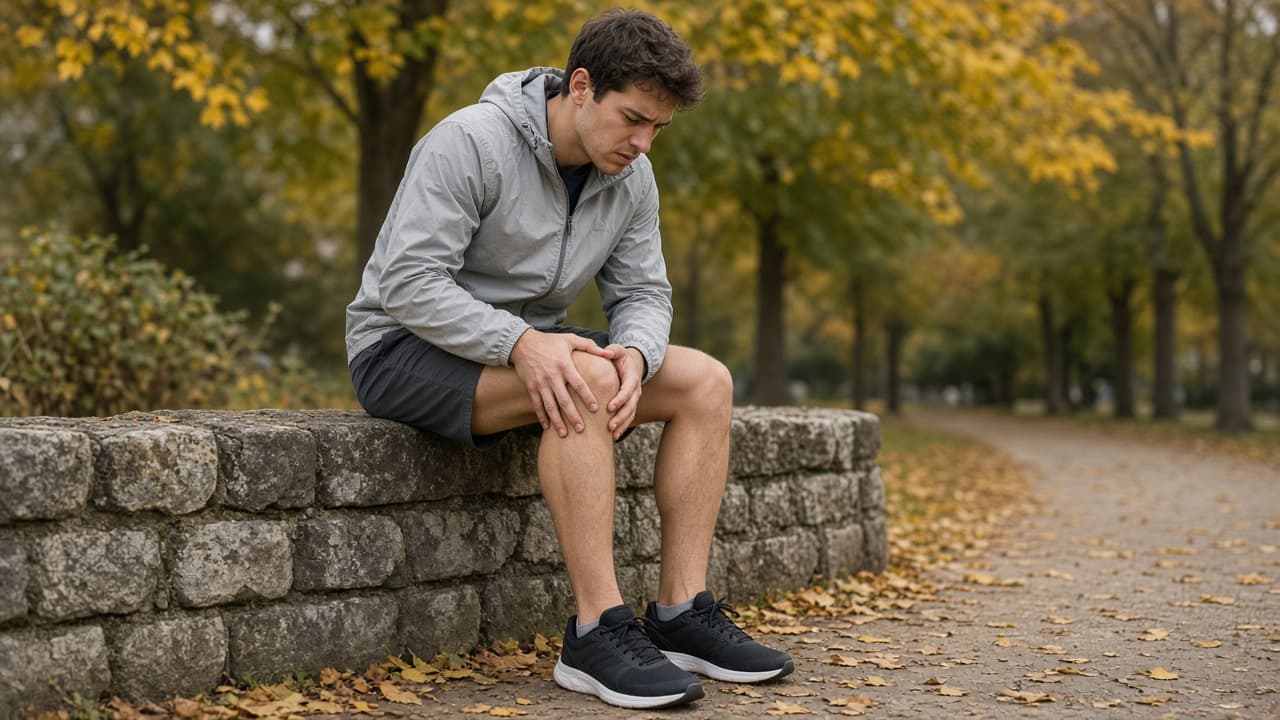
Joint pain can make it hard to stay active, whether you are dealing with arthritis or a nagging sports injury. Many people want relief but do not want surgery or long-term pain medications.
How PRP Joint Treatment Helps You Stay Active Longer
Joint pain can make it hard to stay active, whether you are dealing with arthritis or a nagging sports injury. Many people want relief but do not want surgery or long-term pain medications. That is where PRP joint treatment in Geneva can sometimes help.
Platelet-rich plasma, or PRP, is a treatment that uses a small sample of your own blood. The platelets in your blood hold growth factors that can support healing in injured or irritated tissue. PRP has become popular with active adults and athletes because it aims to work with your body, not just cover up pain.
PRP can be used for both arthritis and sports injuries, but the best candidates for each group look a little different. It is not an instant fix, and it does not work the same for everyone. Our focus is on non-surgical, root-cause care, so we look at how PRP fits into your bigger plan for pain relief, strength, and long-term joint health.
PRP Basics You Should Understand Before Saying Yes
PRP is fairly simple to explain, even if the science behind it is detailed. Here is how the process usually works:
The goal is to support your body’s own repair response. The growth factors in platelets can help with collagen building and tissue healing. For some people, PRP may also slow joint wear and tear, especially when used alongside other healthy lifestyle changes.
A typical PRP visit at our clinic includes:
Most people do not feel better overnight. It can take weeks to notice a change and several months to see the full effect. PRP is not like a cortisone shot, which mainly calms inflammation quickly. It is also not the same as surgery, which tries to repair or replace structures directly. Results depend on the health of the joint or tissue, how advanced the damage is, and your lifestyle habits.
PRP for Arthritis in Geneva: Who Benefits Most and Who May Not
For arthritis, PRP is often used for mild to moderate osteoarthritis in joints like the knee, hip, or shoulder. It may help by calming ongoing inflammation, lowering day-to-day pain, and improving how easily the joint moves.
People who may be good candidates often share some traits:
PRP is less likely to help if the arthritis is very advanced. When a joint is “bone-on-bone” or has major deformity, a regenerative injection may not have much tissue left to support. Some health issues can also make PRP unsafe or less helpful, such as uncontrolled autoimmune conditions, active infection in the joint, or serious bleeding problems.
Age is only one part of the picture. Overall wellness, body weight, blood sugar control, and smoking all affect how tissues repair. For some arthritis patients, combining PRP with medical weight loss or other lifestyle changes can ease joint load and support better outcomes over time.
PRP for Sports Injuries: When It’s Worth Considering or Waiting
Sports and overuse injuries often affect soft tissues like tendons and ligaments. These structures can get irritated and weak when stressed over and over, especially around busy joints like the knee, elbow, ankle, and shoulder.
Conditions that are sometimes considered for PRP include:
Strong candidates are usually active people who have tried rest, rehab exercises, or basic chiropractic care and still have lingering pain. Weekend warriors and student athletes with chronic tendon pain often fall into this group.
PRP is not the right choice for every injury. It is not used to fix acute fractures. It is also not a replacement for surgery when a tendon or ligament is completely torn. Another concern is mindset. PRP works best when people are willing to follow recovery timelines and short-term activity changes. Pushing too hard too soon can stress healing tissue.
We often pair PRP with chiropractic care, rehab exercises, and sometimes bracing to support the joint. For athletes, we may also talk about timing, training schedules, and sport-specific needs so the treatment fits into their season in a realistic way.
How to Decide Between Arthritis and Sports PRP Pathways
The main goals of PRP for arthritis and sports injuries are slightly different. For arthritis, PRP is usually about:
For sports injuries, the goals often include:
To figure out which pathway fits your situation, we look at several pieces:
Timing also matters. Some people prefer to plan PRP before the cold months, when joints may feel stiffer. Athletes might schedule treatment during the off-season so they can rest and rebuild without missing as much play.
For example, a middle-aged runner with early knee arthritis might follow an arthritis-focused plan with PRP, weight-bearing guidance, and joint-friendly exercise changes. A high school player with a chronic ankle sprain might instead follow a sports pathway with PRP, stabilizing exercises, and step-by-step return-to-play testing.
When to Skip PRP and Consider Other Options Instead
PRP is not right for everyone, and it is important to be clear about that. Some medical reasons to delay or avoid PRP include:
There are also practical limits. If joint damage is already very severe, PRP may not offer meaningful relief. People who cannot safely pause strict blood-thinning medications may need other paths. It is also not ideal for anyone who expects an instant cure without any work on their part.
Other options we may discuss include:
Online articles and stories from friends can be helpful starting points, but they are not a full medical plan. A personal evaluation is the safest way to decide if PRP joint treatment in Geneva is worth considering for your arthritis, sports injury, or a mix of both. Staying active and independent often starts with choosing the right tool for the specific joint problem, at the right time, with a team that looks at your whole health.
Relieve Joint Pain And Get Back To What You Love
If joint pain is limiting your daily activities, our team at Genesis Integrative Medicine is here to help you explore advanced options like PRP joint treatment in Geneva. We take time to understand your specific condition so we can tailor a plan that supports long-term joint health and function. To schedule a visit or ask questions about whether PRP is right for you, please contact us today.
Wondering if PRP is right for you?
Talk with our Geneva team
We’ll review your joint, your goals, and whether PRP fits your arthritis, sports injury, or a mix of both.
About the practice
Genesis Integrative Medicine
A Geneva, IL integrative clinic combining traditional medicine with regenerative and chiropractic care under one roof. We help patients across the Fox Valley move, feel, and live better.
Keep reading
More from the blog
Our mission
Accepted Insurance Providers
At Genesis Integrative Medicine, we’ve recognized a pervasive challenge in modern healthcare: the fragmentation of treatment and communication among practitioners. Our mission in Geneva, Illinois, is to revolutionize patient care by offering a seamless blend of traditional medical services and alternative therapies all under one roof.